



JOURNAL
Textures & Layering


Brandon Schubert cleverly mixes periods and styles in a Victorian villa in north London.

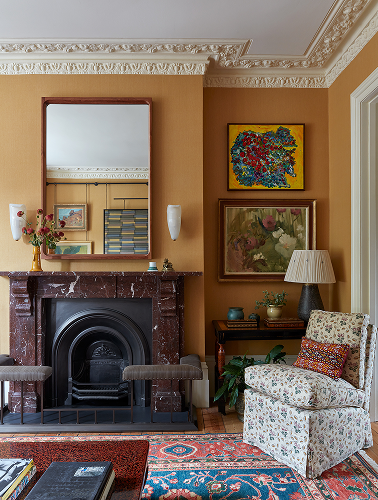
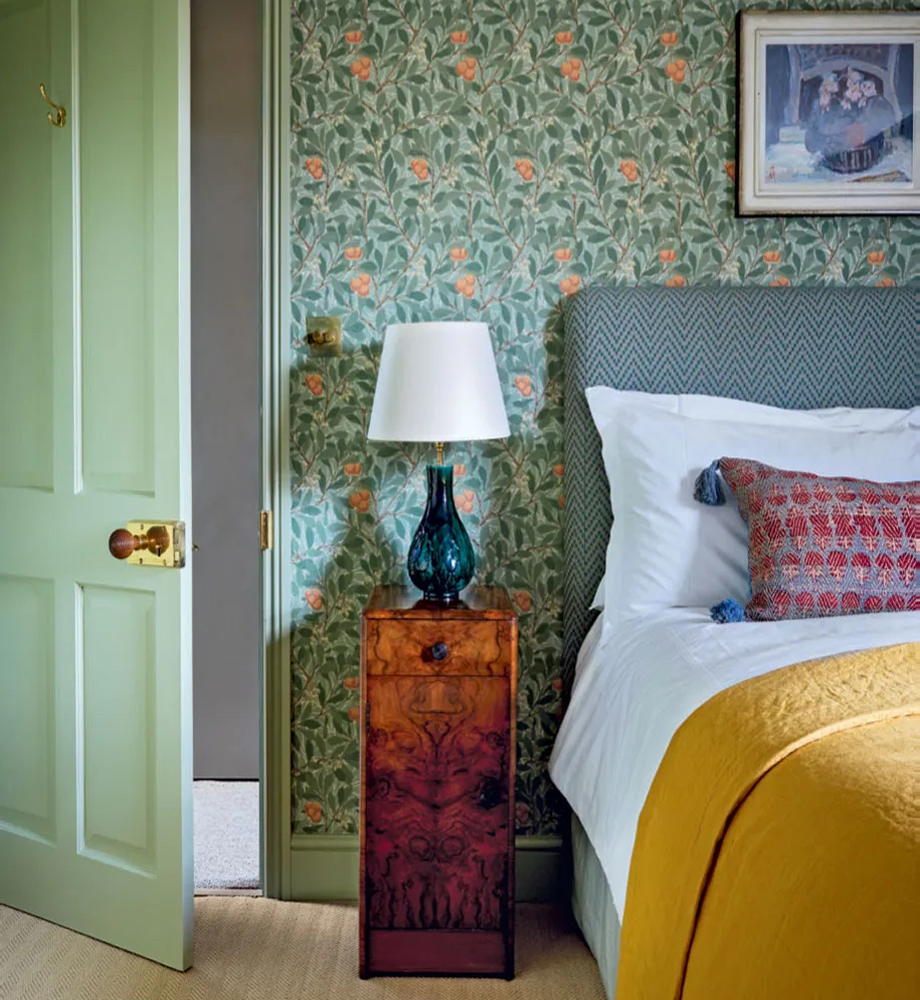
Updating the classic British townhouse can present a conundrum. How do you introduce modernity - colour, pattern, light - while conserving its original architectural details? The half landing, where sunshine falls in buttery bars through a tall sash window; the firelit snug, glimpsed through a panelled door at the end of a corridor - all those evocative elements that make traditional homes so desirable in the first place. The interiors of this Victorian villa in north London, designed by Brandon Schubert for a young couple with historical leanings, prove that you can have it all.
The owners, a software engineer and a trade-policy researcher, bought the brick-and-stucco-faced house before the pandemic. Ensuing Covid lockdowns gave them time to work out the look they wanted, and exactly what they wanted to avoid (not least 'a glass box extension'). Their ideal, as one of the owners puts it, was ‘elements of a classical style, lots of antiques, but with print and textures so that nothing feels too constrained by the past’. Brandon's neoclassical aesthetic, which they discovered when his former flat caught their eye in House & Garden, was just the thing.
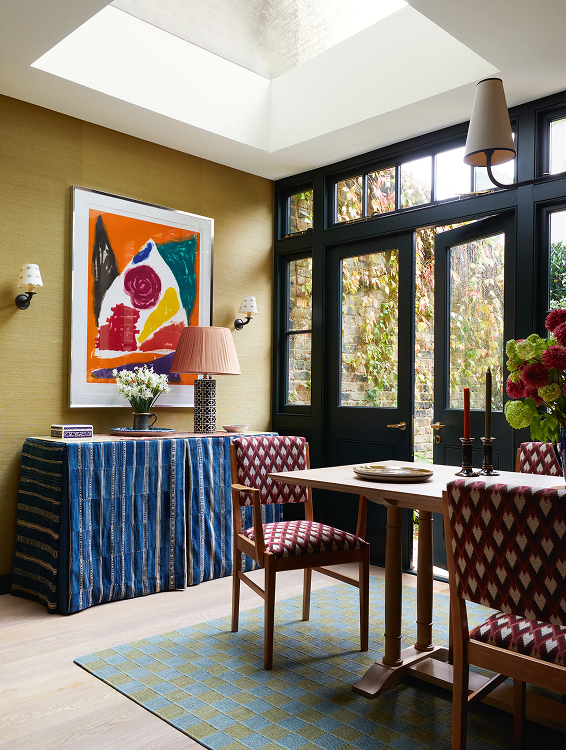
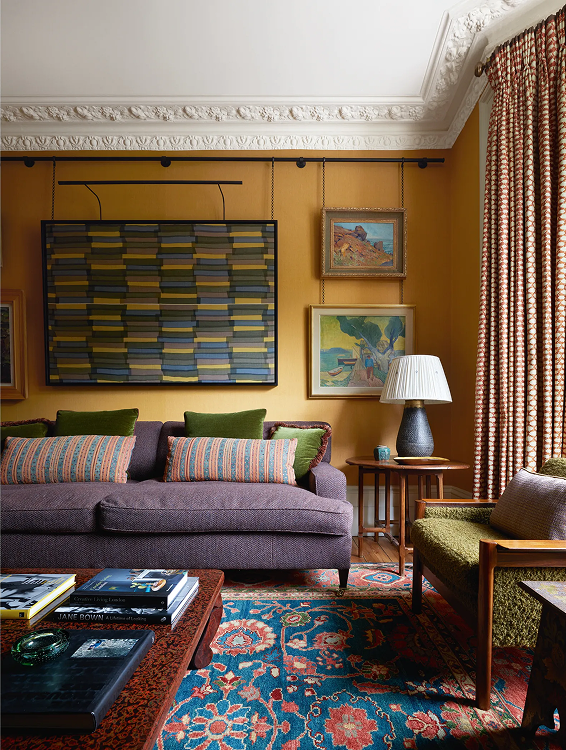
The studio approaches interior design with a respect for architectural history and detailing, and always with a focus on the volume and function of a room. Brandon loves to create interiors that feel natural in their setting and which draw on different time periods, colours and textures to create energy and balance with a sense of permanence.
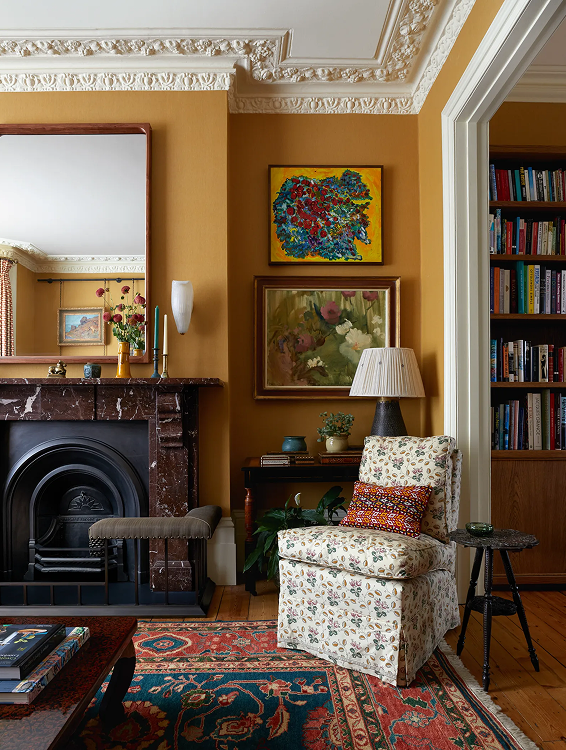

My job was to put things back, so that it felt right again, says Brandon, a former lawyer who traded corporatism for creativity to retrain in interiors at the Inchbald School of Design, before founding his eponymous practice in 2019.
Related project
MORRIS COTTAGE
London, 2019
We were approached by a young couple who bought a lovely Victorian house in the heart of Dartmouth Park in North London.
